

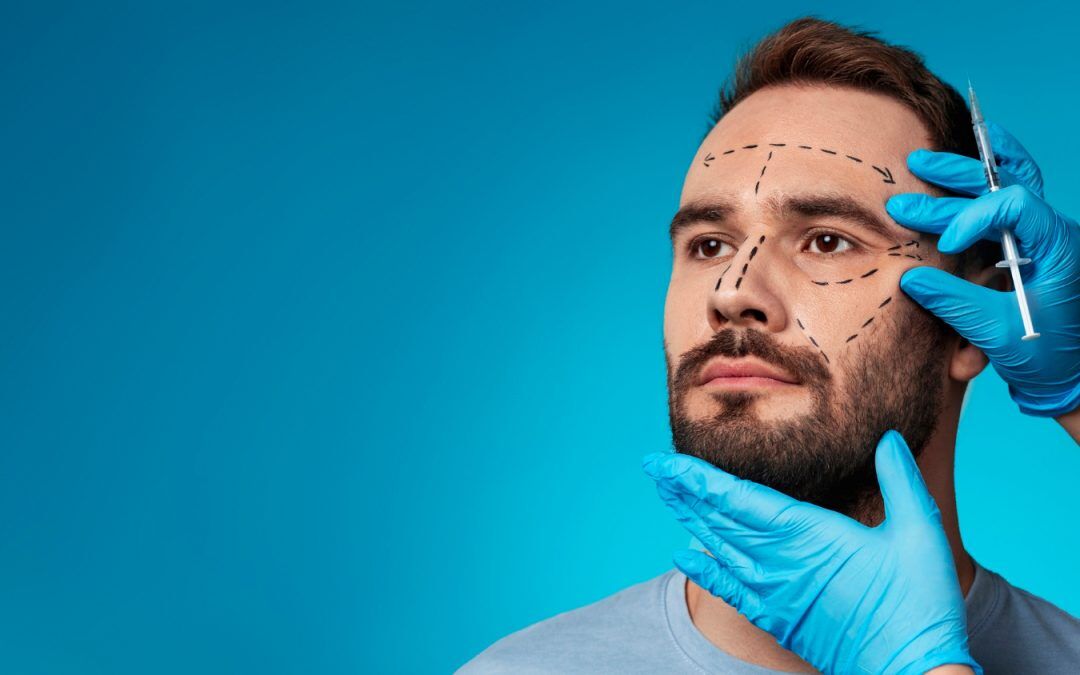
Rethinking Facial Balance Beyond Nose and Eyes
Natural facial rejuvenation is not about fixing a single feature. When someone looks at you, they see your whole face at once. If the nose or eyelids feel “off,” it is usually because the chin, cheeks, or brows are not in balance with them. That is why focusing only on the nose or eyelids can sometimes leave people feeling that something still does not look quite right.
When people plan blepharoplasty in Toronto, they often also think about rhinoplasty. At our Yorkville clinic, we look at how the nose and eyelids relate to the chin, cheekbones, jawline, and brows. This kind of full-face planning helps us aim for results that look like you, just more rested and refined. Many people like to start this early-summer planning so that they can line up surgery and recovery around fall or winter, when social calendars can be easier to manage.
Why Eyelids and Nose Rarely Tell the Whole Story
The human eye reads faces as a whole, not as separate parts. Your brain takes in your nose, eyes, mouth, cheeks, chin, and brows in a split second. If one area is out of proportion, it can make another feature stand out in a way that you do not like. A nose might look bigger than it is because the chin is small. Under-eye bags may look worse because the cheeks are flat.
Common situations we see:
- A small or recessed chin that makes the nose look larger from the side
- Flat mid-face or cheeks that make lower eyelid bags or dark circles more noticeable
- Heavy or low brows that create hooded upper lids, even if the eyelid skin is not very loose
- Thin skin and reduced fat volume that exaggerate hollows around the eyes and nose
A thoughtful facial plastic surgeon in Toronto will not look at the eyelids and nose alone. Instead, we study:
- skin quality and elasticity
- underlying bone structure
- fat volume and where it has shifted with age
- muscle activity around the eyes and mouth
This bigger picture helps guide whether blepharoplasty, rhinoplasty, or a mix of other treatments will give a more balanced, natural look.
Chin and Jawline, the Hidden Influencers of Rhinoplasty
The chin and jawline quietly set the stage for how the nose appears, especially from the side. When the chin sits back, the nose can seem longer or more prominent. When the jawline is soft or the neck is full, the whole profile can lose definition, even if the nose itself is nicely shaped.
By improving the lower face, the nose can instantly feel more in harmony. Options can include:
- subtle chin augmentation to bring the chin into better line with the lips and nose
- neck contouring to smooth fullness under the chin
- lower facelift techniques to define the jawline
These changes do not have to be dramatic. Often, small refinements in chin projection or jawline contour help a rhinoplasty result look more natural and proportionate. At our Yorkville clinic, we often design plans where rhinoplasty and lower-face adjustments support each other. The goal is not to change who you are, but to create a cohesive profile that feels balanced from every angle.
Cheeks, Mid-Face Support, and Eyelid Surgery
The area under the eyes is closely linked with the cheeks and mid-face. As we age, fat in the cheeks can shift downward, creating a groove between the lower lid and the cheek. This can look like dark circles, hollows, or puffy “bags,” even when you feel well-rested.
Lower blepharoplasty in Toronto often works best when we also think about how to support this mid-face area. Depending on your needs, that may mean:
- lifting the mid-face to bring cheek tissue back up
- repositioning fat instead of just removing it, to avoid a hollow look
- using carefully placed dermal fillers around the tear troughs for gentle smoothing
At our clinic, facelift and mid-face techniques can help restore cheek projection and soften the transition from lower eyelid to cheek. When the cheek is in a better position and volume is supported, the eyes can look brighter and less tired, even with a conservative eyelid surgery. This kind of planning helps reduce the risk of a “surgical” or over-corrected appearance.
Brows, Upper Eyelids, and Framing the Eyes
Many people think that they have extra upper eyelid skin when the real issue is a low or heavy brow. If the brow has dropped over time, it can push skin into the upper lid area. If we remove too much eyelid skin without addressing a low brow, the result may not open the eyes as much as hoped and can even feel tight.
Sorting this out starts with careful assessment. We look at:
- brow position at rest and when you raise your forehead
- eyelid skin redundancy on its own
- forehead muscle activity and frown lines
Sometimes, the best plan is a mix of upper blepharoplasty with gentle brow support, which might be:
- a conservative brow lift to restore a natural position
- neuromodulators to relax heavy frown muscles that pull the brows downward
- energy-based skin tightening to firm the brow and forehead area
We always aim to keep the brow shape in line with your natural features, including your gender, ethnicity, and typical facial expressions. Trends come and go, but a brow that suits your face will age far better than a style that tries to copy someone else’s look.
Combining Blepharoplasty, Facelift, and Non-Surgical Touches
When we think about full-face harmony, combining certain procedures can make sense. For some people, doing blepharoplasty, a facelift, and rhinoplasty in a coordinated plan can:
- create a more even, balanced rejuvenation
- reduce the number of separate recovery periods
- help the features age together more gracefully
This does not mean that more surgery is always better. Sometimes, the right mix is a smaller surgery supported by non-surgical treatments. Neuromodulators can soften crow’s-feet or frown lines. Fillers can improve cheek volume or refine the nose in cases that do not need surgical change. Skin resurfacing can improve texture and fine lines around the eyes and cheeks.
Seasonal timing can also matter. Because eyelid surgery and rhinoplasty often require careful protection from sun and heat during healing, some Toronto patients plan surgery around periods when it is easier to stay cool, rest, and wear hats or sunglasses. Non-surgical touch-ups can then be added once the tissues have settled.
Planning Full-Face Harmony with Dr. Cory Torgerson
When you start thinking about blepharoplasty in Toronto or rhinoplasty, it helps to zoom out and consider your entire face. Instead of focusing on one “problem” area, we encourage people to think about what they want others to notice when they look at them, such as brighter eyes, a softer profile, or a more defined jawline. From there, we can tailor a plan that respects your unique proportions.
At the Yorkville clinic of Dr. Cory Torgerson, we take time for in-depth facial analysis, looking at eyelids, nose, chin, cheeks, brows, and skin quality together. We discuss surgical and non-surgical options in clear language so that you can understand how different parts of your face influence one another. Many patients like to align their consultation with their summer and fall schedule, so they can plan blepharoplasty, facelift, or rhinoplasty at a time that allows calm, discreet healing and results that feel natural and long-lasting.
Refresh Your Eyes with Personalised Care
If you are considering a subtle yet impactful way to rejuvenate your appearance, explore how blepharoplasty in Toronto can address eyelid concerns with natural-looking results. At Dr. Cory Torgerson, we take the time to understand your goals and design a tailored surgical plan that fits your features and lifestyle. To discuss your options or schedule a consultation, please contact us today.