
How Blepharoplasty Myths Can Secretly Age Your Face Faster
Eyelid surgery myths spread quickly, especially on social media, and many people in Toronto quietly believe them. When that happens, they delay helpful treatment, stick to quick fixes that do not work, and end up looking tired and older for longer. Clearing up those myths is one of the easiest ways to protect how fresh and awake your face looks.
The eyelid area is small, but it has a huge impact. Heavy upper lids, under-eye bags, or loose skin can make the whole face look worn out, even if the cheeks and jawline are in good shape. When those eyelid changes are paired with mid-face volume loss or sagging, the effect can be even stronger.
At our Yorkville facial plastic surgery clinic, we focus on eyelid surgery, facelifts, rhinoplasty, and non-surgical facial rejuvenation, and we see how much confusion there is about blepharoplasty in Toronto. Dr. Cory Torgerson takes an evidence-based approach and spends a lot of time correcting old ideas so that patients can make clear, confident choices. Many people plan eyelid surgery in mid summer, when they can take time off and return to work looking refreshed by the fall. So it is important to separate fact from myth before any dates are booked.
Myth: Blepharoplasty Is Only for “Older” People
One of the biggest myths about blepharoplasty in Toronto is that it is only for people in their 60s or 70s. Waiting until eyelids are very droopy or bags are very deep can actually make the face age faster. The skin stretches more, folds settle in, and the tissues can become harder to support in a subtle way later on.
In real life, eyelid ageing is not about a specific birthday. It is shaped by:
- genetics and family traits
- smoking and lifestyle habits
- sun exposure, especially without sunglasses
- allergies or eye rubbing over many years
Because of this, some people see hooded lids, puffiness, or hollow circles appear in their 30s or 40s. In those cases, a conservative eyelid surgery can help keep the eye area in line with the rest of the face so that it still looks rested and youthful.
We often explain the difference between two broad goals:
- Preventative blepharoplasty, which aims to stop early changes from becoming more pronounced
- Restorative blepharoplasty, which focuses on correcting already advanced sagging or bags
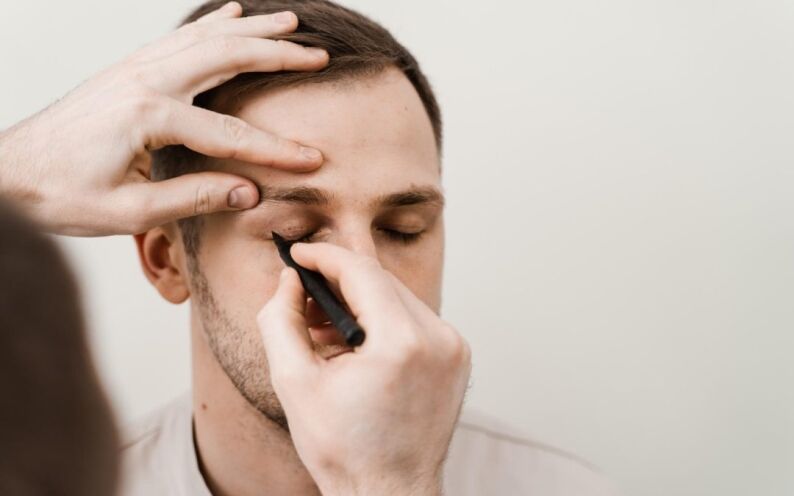
Dr. Torgerson does not base treatment on age alone. He looks at skin quality, fat distribution, bone structure, and the way that the eyelids interact with the brows and cheeks. That way, the plan fits the person, not the number on a birthday cake.
Myth: Eyelid Surgery Works in Isolation from the Rest of Your Face
Another common belief is that eyelid surgery alone will fix every sign of ageing in the upper face. If we focus only on the lids and ignore the brow, mid-face, or cheek volume, the result can look incomplete or even older. Fresh eyelids beside a flat cheek or heavy brow can feel slightly “off,” even if the surgery itself was done well.
A full facial analysis often shows that the eyes are only part of the story. Depending on the person, we may see that:
- the brow has dropped, pushing skin down onto the upper lids
- the mid-face has lost volume, making under-eye hollows look deeper
- the jawline has softened, which can contrast with a sharper upper face
In our Yorkville clinic, we often combine blepharoplasty with a subtle brow lift, a mini facelift, or carefully placed dermal fillers in the cheeks or tear trough area. The goal is not to “stack” procedures, but to create harmony so that the eyes, cheeks, and jawline all match. Done properly, this gives a naturally refreshed look that does not scream “surgery;” it just looks like you slept well and feel good.
Myth: A Facelift or Rhinoplasty Can Replace Eyelid Surgery
Some people hope that if they have a facelift or rhinoplasty, they can skip eyelid surgery altogether. This myth can leave the most age-revealing area, the eyes, untouched. Then even after a nice change in the lower face or nose, they still hear that they look tired.
Here is how these procedures differ:
- A facelift focuses on tightening and lifting the lower face and neck
- Rhinoplasty reshapes the nose for balance and proportion
- Blepharoplasty targets loose eyelid skin, puffiness, and some under-eye concerns
A facelift does not remove upper lid hooding or smooth out crepey lower lid skin. Changing the nose shape does not affect eyelid bags or dark circles. When someone truly needs eyelid work, skipping it will usually show.
On the other hand, combining procedures in a thoughtful way can create a more complete, natural change. Blepharoplasty can brighten the eye area, while a facelift firms the jawline, or rhinoplasty can refine the nose while the lids are refreshed. When the eyes, nose, and lower face all match each other, the result looks like a more rested, age-appropriate version of you rather than one feature standing out.
Myth: Blepharoplasty Always Looks Fake or Changes Your Expression
Many people are nervous that eyelid surgery will leave them looking wide-eyed, “done,” or unlike themselves. These fears often come from seeing older, aggressive surgery styles online where too much skin or fat was removed.
Modern blepharoplasty in Toronto is very different. The focus is on conservative tissue removal and, often, on repositioning rather than taking away as much as possible. The aim is to keep your natural eyelid fold, preserve volume where it flatters the face, and gently smooth or lift where age has caused heaviness.
To keep results looking authentic, we pay close attention to:
- your natural eye shape and crease
- the way your eyelids move when you smile or talk
- ethnic features and unique facial structure
- balance between upper and lower lids
Choosing a Royal College-certified facial plastic surgeon who works on the face every day is important. Dr. Torgerson’s training and focus help protect natural expressions so that patients still look like themselves, just more awake and relaxed.
Myth: You Can Skip Sun Protection and Skin Care After Surgery
Another silent myth is that once you have surgery, your eyes will stay young-looking no matter what you do. In real life, surgery can refresh the area, but future ageing still depends on how you treat your skin afterward.
Toronto has bright summer days and a lot of reflective light in winter, so UV exposure is a year-round concern. After blepharoplasty, the eyelid skin is still delicate and needs protection. Without it, new fine lines and pigment changes can appear faster.
We usually talk about long-term care in 3 parts:
- UV protection, including sunglasses, hats, and proper sunscreen, once cleared
- Medical-grade skincare to support collagen and texture around the eyes
- Non-surgical maintenance like neuromodulators or laser treatments, when suitable
At our clinic, we take a long view. We work with patients to build a simple routine that fits their lifestyle, so the results of blepharoplasty in Toronto are supported over time, not left to chance.
Plan Your Best Ever Eye Refresh with Expert Guidance
If you are thinking about blepharoplasty, facelift, or rhinoplasty and feel stuck because of what you hear from friends or online, you are not alone. Myths can be loud, but they are not always helpful. A one-on-one facial assessment with a specialist can show what is really going on with your eyelids, brows, cheeks, and nose, and which options match your goals.
At the Yorkville clinic of Dr. Cory Torgerson, we bring together surgical and non-surgical tools, so we can build a plan that fits your age, anatomy, and comfort level. Many people like to plan around the summer, when they can take some quiet time for themselves, then step into the next season looking rested, clear-eyed, and confident in the choices that they made with proper guidance.
Refresh Your Eyes with Expert, Personalised Care
If you are considering a subtle yet meaningful way to rejuvenate your appearance, explore how blepharoplasty in Toronto can address concerns like sagging lids or under-eye bags. At Dr. Cory Torgerson, we take the time to understand your goals, so we can recommend options that are tailored to your unique features. To discuss your questions, expectations, and next steps, please contact us to schedule a consultation.