

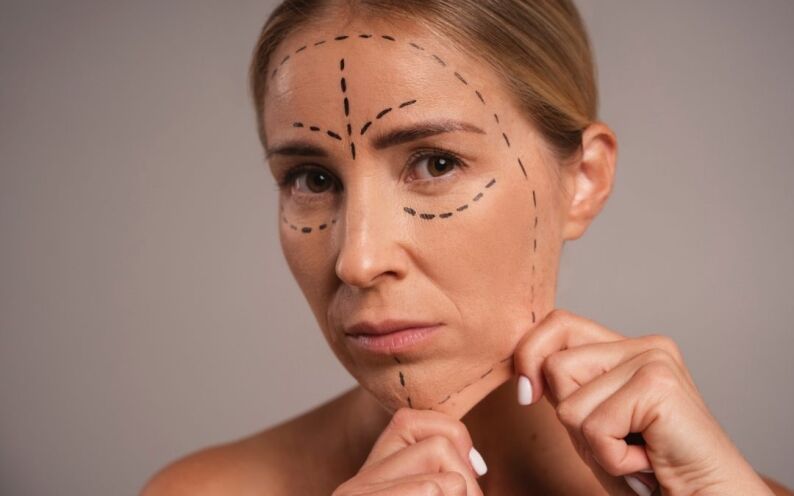
How Strategic Blepharoplasty Timing Maximizes Results
Planning eyelid surgery and a facelift at the same time is not just about picking a date on the calendar. The order and timing of upper blepharoplasty, lower blepharoplasty, and a deep plane facelift can shape how you look once everything is healed. When the sequence is chosen well, swelling settles in the right places, tissues support each other, and the final result looks natural and rested.
This is what we mean by a “sequencing strategy.” We look at how the face will change with a deep plane facelift, how the eyelids tend to swell, and how each area heals. Then we decide what should be done together and what might be better in stages. That plan can make the difference between a face that looks softly refreshed and one that looks pulled or overdone.
In Toronto, many people like to plan their fall and winter surgeries during the summer. Cooler weather later in the year can make recovery from blepharoplasty and facelift surgery more comfortable, with less sun exposure and more chances to rest indoors. At our Yorkville clinic, we focus on facial surgery, including blepharoplasty in Toronto and deep plane facelift techniques that aim for natural, age-appropriate results.
Understanding Upper vs. Lower Blepharoplasty Around a Facelift
Upper and lower eyelid surgeries have different goals, and they also react differently to swelling. That is why we rarely treat them as one simple “eyelid surgery” when we are planning around a facelift.
Upper blepharoplasty usually focuses on:
- extra skin that hangs over the eyelid crease
- a heavy, tired look from hooding
- sometimes a small amount of fat that bulges forward
Lower blepharoplasty often addresses:
- puffy bags under the eyes
- hollows or a groove at the tear trough
- fine lines and crepey skin on the lower lid
A deep plane facelift works deeper in the face. It lifts and repositions the midface and cheek area, which can soften the lid-cheek junction and improve the tear trough indirectly. This support can make the lower eyelid area look smoother even before we touch the lower lid itself. Still, in many patients, a facelift alone is not enough to treat true under-eye bags or loose lower lid skin, so lower blepharoplasty may still be recommended.
Upper eyelids tend to handle swelling fairly well. The skin is thin, and gravity helps fluid move away from the upper lids a bit more quickly. Lower lids, on the other hand, can hold onto swelling longer. They are closer to the cheek, so fluid can collect there. That can affect the lid position. This difference is a key reason why we might combine upper blepharoplasty with a facelift, but be more careful or even staged with the lower lids.
How Surgeon Technique Shapes the Surgical Sequence
Not all facelifts are the same, and the technique can change how we time eyelid surgery. A deep plane facelift works in the deeper layers of the face to gently reposition muscles and soft tissue, not just tighten skin at the surface. This deeper movement can create a smoother, more youthful contour without sharp pulling.
Other facelift styles, such as a traditional superficial musculo-aponeurotic system (SMAS) lift or a mini-lift, handle tissue in different ways. Some might rely more on skin tension, and others may lift the midface less. That affects how much support the lower eyelid and cheek will get from the facelift alone and, in turn, when and how we address the eyelids.
When we build a plan, we look closely at:
- where facelift incisions will sit around the ear and hairline
- the direction of lift and tension across the cheek and jawline
- how facial fat will be preserved or repositioned
- how any planned rhinoplasty will change the center of the face
All of this shapes the support under the eyelids. For example, if we are lifting the midface and restoring cheek volume, the lower eyelid may not need as much surgical work. Or we may choose to do a conservative lower blepharoplasty later, once we see how the tissues settle. Our aim is to respect your natural eyelid shape and avoid that “over-operated” look.
Swelling Patterns and Healing Timelines in Real Life
Swelling after a deep plane facelift and blepharoplasty does not spread evenly across the face. It follows gravity and the lymphatic system. In the first few days, swelling often peaks, then slowly moves downward. The cheeks and lower face can look puffy, while the area around the lower lids may hold onto fluid longer.
Typical patterns we explain to patients:
- Upper lids usually show early swelling and bruising, then settle relatively quickly
- Lower lids and cheeks can look puffy or full for several weeks
- The jawline and neck can feel firm or tight as deep tissues heal
- Final refinements continue for several months
Because lower lids are more sensitive to swelling and tension, some patients benefit from having upper blepharoplasty at the same time as a facelift, then waiting to see how the lower area looks once the facelift has healed. This can reduce the risk of lower lid malposition, such as a pulled-down look, and helps us avoid taking away too much skin or fat.
In Toronto, many people time facial surgery for the late summer so that they can heal more discreetly in early fall. Sunglasses, light scarves, and cooler air can all make that period more comfortable. With smart timing, swelling can be significantly improved by the time that social events and holidays arrive, so the face looks fresher but not obviously operated on.
When to Combine, When to Stage: Personalizing the Plan
There is no single right answer for everyone. Age, skin quality, and the natural support around the eyes all play a role in how we sequence a deep plane facelift with blepharoplasty in Toronto.
Some patients are strong candidates to combine upper and lower blepharoplasty with a facelift, such as:
- younger or middle-aged patients with good eyelid support
- people without significant eye dryness or previous eyelid surgery
- people with clear, stable facial structure who want one main recovery period
Others may do better with a phased plan, for example:
- more mature patients with looser lower eyelids
- people with a history of eye irritation, dry eyes, or prior blepharoplasty
- patients with very thin skin or strong hollowing who may also need fat grafting or fillers
We also look closely at:
- natural eye shape and how much white shows under the iris
- the degree of skin laxity and fine lines
- past facial surgery or trauma
- whether rhinoplasty, fillers, or skin treatments are being planned
At our Yorkville clinic, careful in-person assessment and 3D-style planning help us map how each change will affect the others. Sometimes we suggest combining facelift, upper blepharoplasty, and rhinoplasty while reserving lower blepharoplasty or laser treatments for a later date. Other times, it makes sense to do everything together, with a conservative approach to the lower lids.
Planning Your Eyelid and Facelift Sequence with Confidence
Planning your own sequence starts with clear goals and honest information. It helps to think about what bothers you most: heavy upper lids, under-eye bags, a soft jawline, or a combination of all three. Then we can match those concerns with a surgical plan that uses the safest timing and techniques for your face, not someone else’s.
When you come to see Dr. Cory Torgerson in Toronto, bringing a few things can make the visit smoother, such as:
- a full list of medications, supplements, and medical conditions
- any eye history, including dryness or past surgeries
- photos from earlier in life to show how your eyelids and face used to look
- a rough sense of when you would like your main recovery to happen
From there, we can talk through whether upper and lower blepharoplasty should be done with your deep plane facelift or staged, how swelling is likely to behave in your case, and how other treatments might fit into the plan. With a clear sequencing strategy, the goal is a calm, confident experience and a result that looks like you, simply more rested, with brighter eyes and a smoother, more defined face.
Refresh Your Eyes with Expert Eyelid Rejuvenation
If you are considering subtle yet impactful facial rejuvenation, our team at Dr. Cory Torgerson can guide you through every step. Start by exploring how blepharoplasty in Toronto can address sagging lids, puffiness, or tired-looking eyes with a personalized treatment plan. We will review your goals, medical history, and expected results so you can make an informed decision with confidence. To schedule your consultation or ask questions, simply contact us today.

