

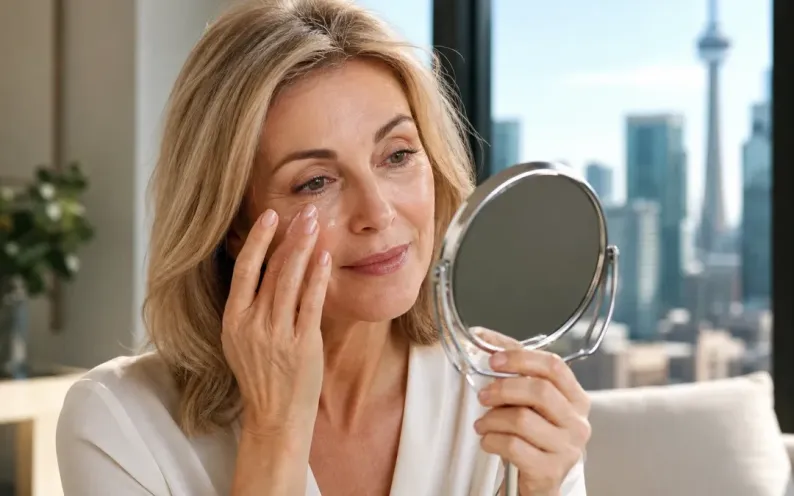
Discover How Blepharoplasty Can Refresh Your Look
Blepharoplasty, or eyelid surgery, is focused on one small area of the face, but it can change how you look and feel every day. Upper eyelid blepharoplasty targets heavy, sagging lids that hide the natural crease or make the eyes look closed off. Lower eyelid blepharoplasty addresses puffiness, bags, and loose skin under the eyes that create a tired look, even after a good sleep.
When people think about eyelid surgery, they often focus on the first few weeks of healing. The truth is, the most interesting changes often show up months and even years later. The way your scars soften, the way your eyes look at rest, and how your whole face appears in photos will all keep evolving.
Here in Toronto, many people decide to combine blepharoplasty with a facelift or rhinoplasty to keep the entire face in balance over the long term. Cool, milder weather in the fall can also make recovery more comfortable, with easier sun protection that supports long-lasting results.
What Blepharoplasty in Toronto Can Change Over Time
Right after surgery, it is normal to see swelling and some bruising. These early changes hide the final result, so patience is important. Over the first 3 to 6 months, most people notice:
- a lighter feeling in the upper lids
- a smoother lid contour and less “hooded” skin
- better field of vision if loose skin was blocking the eyes
- less puffiness and bagging under the eyes
As the months go by, the long-term changes start to show. From about 1 to 5 years after blepharoplasty, many patients see:
- scars that fade and flatten, so they are harder to notice
- a more defined, natural eyelid crease
- eyes that look more awake and open, without looking “done”
Eyelid surgery adjusts skin, fat, and sometimes muscle. Extra skin is trimmed, so it does not fold over the lashes. Fat can be gently removed or repositioned to smooth puffiness. When this is done with care, the under-eye bags can stay flatter for many years, although ageing will continue.
Toronto’s mix of fair and darker skin tones means that we need to think carefully about scar behaviour and pigmentation. Fair skin may show a little redness early on, while darker skin may be more prone to visible marks if it is not protected. Our climate shifts from bright summers to cold, dry winters, so long-term eyelid skin quality can be influenced by:
- year-round sun exposure without proper protection
- dry indoor heating in winter that can dehydrate delicate skin
- wind and cold that irritate already sensitive areas
Protecting the eyelid skin from strong sun and harsh weather helps support smoother, softer results over time.
Ageing Gracefully After Eyelid Surgery
Blepharoplasty does not stop ageing. What it can do is “reset the clock” so that you age from a more refreshed starting point. Instead of looking tired at 40 or 50, you may look closer to how you remember yourself several years earlier.
As time passes, the rest of the face keeps changing, and that can gently shift how the eyelids appear. For example:
- Brows may drift lower, which can add heaviness back to the upper lids.
- Cheeks and midface can lose volume, affecting the lower eyelid-cheek transition.
- Skin texture can change with sun, stress, and lifestyle.
Over 5 to 10 years, some people remain very happy with their eyelids and do not feel like they need more surgery. Others may notice new laxity or volume loss around the eyes due to natural ageing, not because the original surgery “wore off.”
To help extend and protect results, we usually suggest the following:
- Consistent sun protection, including sunglasses and broad-spectrum sunscreen
- Maintaining a stable weight, since big changes can affect facial fullness
- Gentle, medical-grade skincare around the eyes, as advised by your provider
- Not smoking, because it can affect skin quality and healing
These simple habits can support softer lines and better skin tone over the long term.
Combining Blepharoplasty, Facelift, and Rhinoplasty
The eyes are one of the first areas to show age, but they are not the only ones. If the lower face still has deep jowls or the nose does not fit the rest of the features, very fresh eyelids alone may not feel quite “in sync” with the rest of the face.
Combining blepharoplasty with a facelift can help create long-term balance between the upper and lower face. When the jawline, neck, and midface are lifted at the same time as the eyelids are refreshed, it reduces the chance that one area looks much younger than the others a few years later.
Pairing blepharoplasty with rhinoplasty can also be helpful for some people. When the nasal shape is refined to fit the overall face, brighter, more open eyes often look even more harmonious in photos and real life.
There are 2 main ways to plan these procedures:
- Combined surgery, where eyelids, facelift, and sometimes rhinoplasty are done in one larger operation
- Staged surgery, where each area is addressed in separate steps over several years
Combined surgery can offer the benefit of a single recovery period and a more unified transformation. Staged surgery can suit people who prefer smaller changes over time. With a focus on facial plastic surgery, Dr. Cory Torgerson can look ahead with you and help plan how eyelid surgery, facelift, and rhinoplasty might work together as your face ages.
Long-Term Recovery Milestones and When to Expect Them
Recovery is not just about the first week. It unfolds over months and years. While every person heals differently, a general timeline after blepharoplasty might look like this:
- Around 1 month: Most swelling and bruising have settled, and you can get a good early sense of your new eyelid shape. Mild tightness or firmness is common.
- Around 3 months: The eyelids usually look softer and more natural, with ongoing scar fading. Most people feel comfortable in close-up photos.
- Around 6 to 12 months: Scars typically flatten and blend more with the surrounding skin. Residual swelling around the eyelids has mostly resolved, and the results are close to “mature.”
- Multi-year checkpoints: Tissues relax just a bit, which can make the final outcome look even more natural 1 to 2 years after surgery. Longer-term ageing patterns start to show, but usually from a much fresher baseline than before.
Some people choose non-surgical “tune-ups” to support their blepharoplasty results without another operation. These can include:
- neuromodulators to ease fine lines around the outer eyes
- fillers to gently add volume where it has been lost with age
- skin resurfacing or tightening treatments to improve texture and tone
These options need to be timed and planned carefully with your surgeon so that they work with your eyelid surgery results, not against them.
Planning Your Eyelid Future with Dr. Torgerson
When you are thinking about blepharoplasty in Toronto, it helps to look beyond the first year and think about how you want your face to look in 5 or even 10 years. Talking openly about your long-term goals can guide choices such as upper vs. lower eyelid surgery and whether to combine it with a facelift or rhinoplasty.
At our Yorkville clinic, we focus on how the eyes fit the whole face over time, not just right after surgery. Reviewing photos, discussing your lifestyle, and considering the local climate all play a part in planning results that age gracefully. Many people find that late summer or fall is a comfortable time to plan surgery, with cooler temperatures and easier sun protection during healing, which can support better long-term outcomes for delicate eyelid skin.
Refresh Your Eyes with Personalized Care
If you are considering enhancing the appearance of your eyelids, we invite you to explore how blepharoplasty in Toronto can be tailored to your needs with Dr. Cory Torgerson. During a one-on-one consultation, we will carefully assess your concerns, answer your questions, and recommend a treatment plan that respects your goals and lifestyle. To schedule your appointment or request more information, please contact us today.